
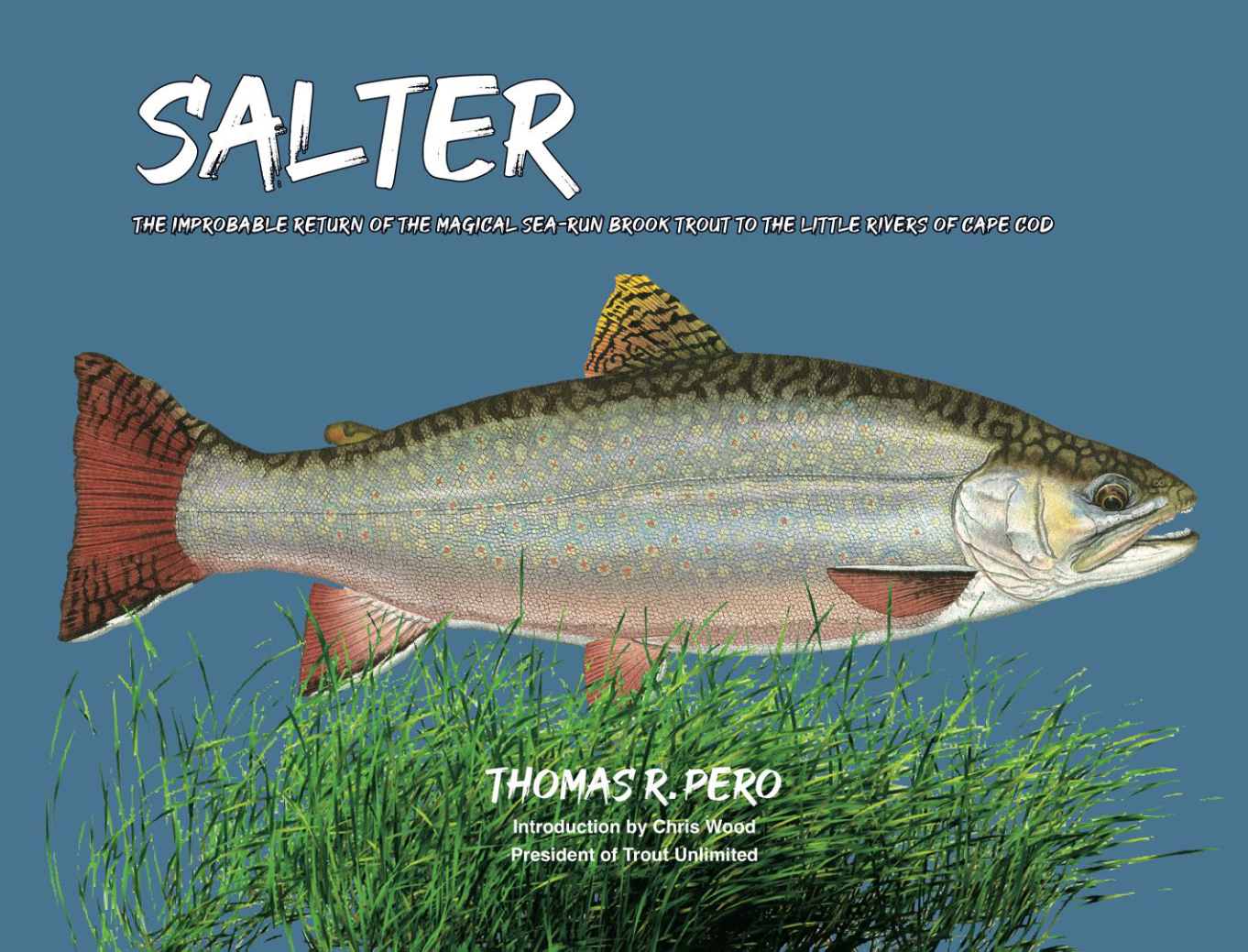
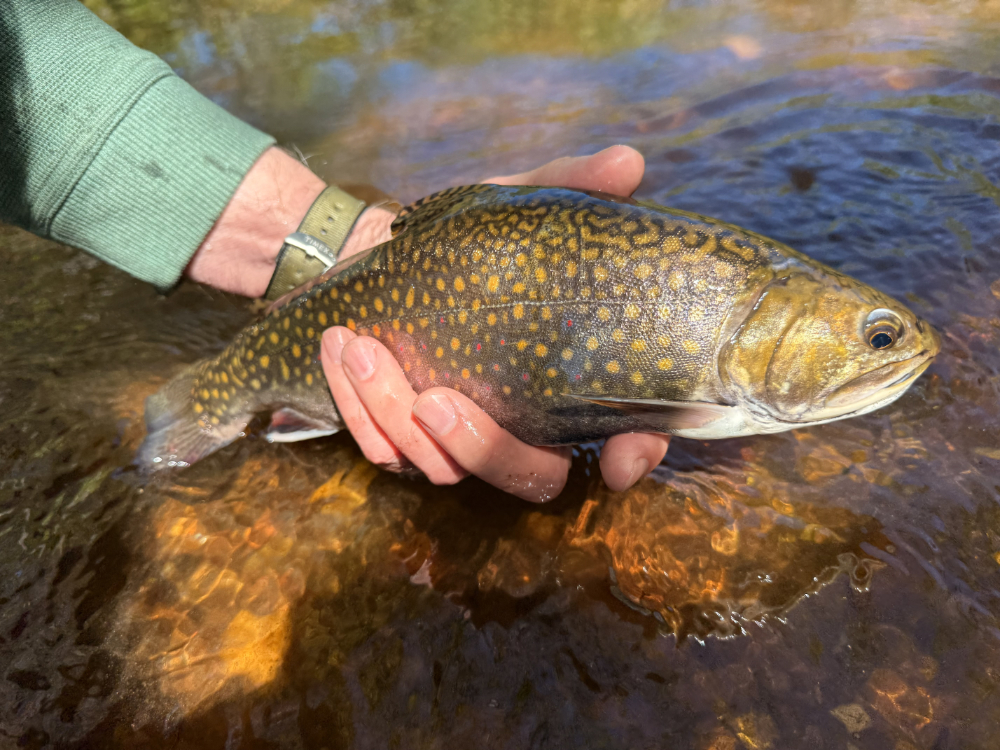
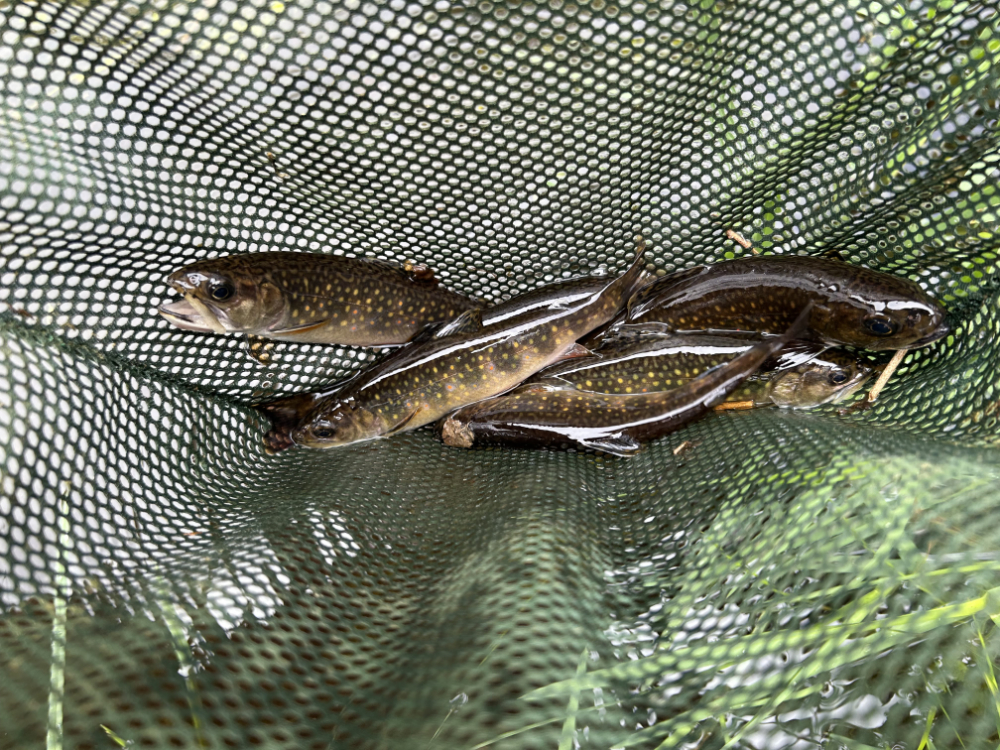
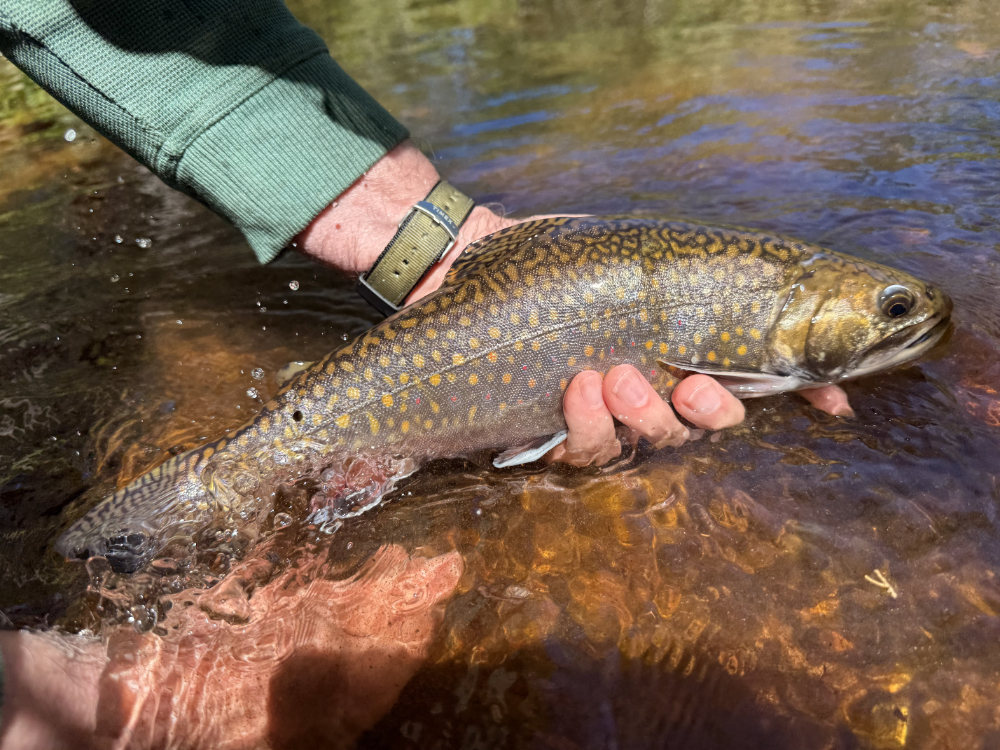
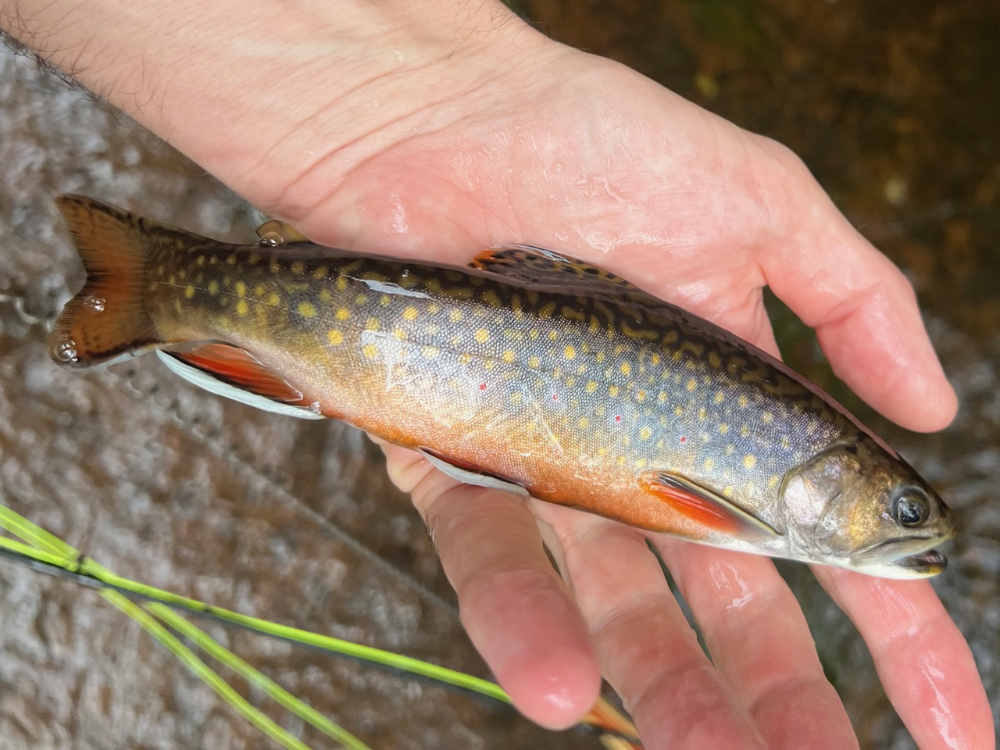
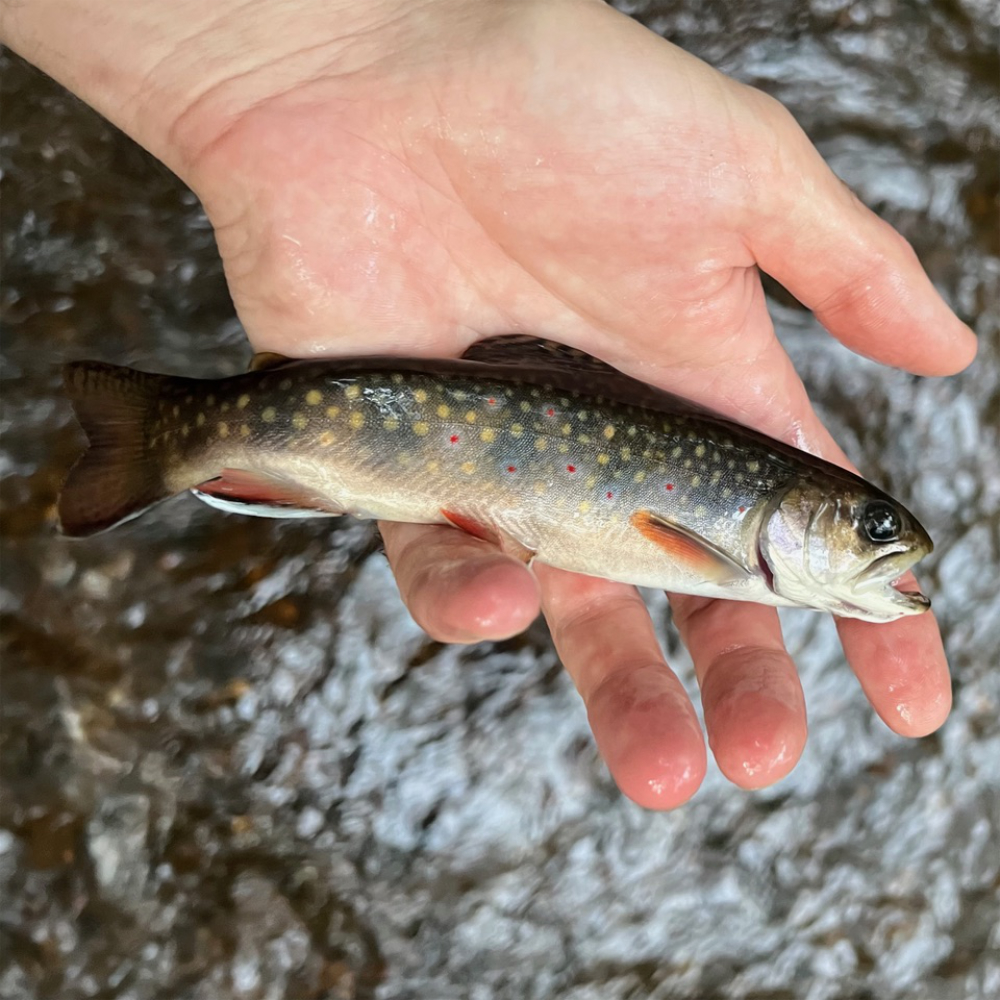
“Salters” have virtually disappeared from their historic haunts south of Maine.
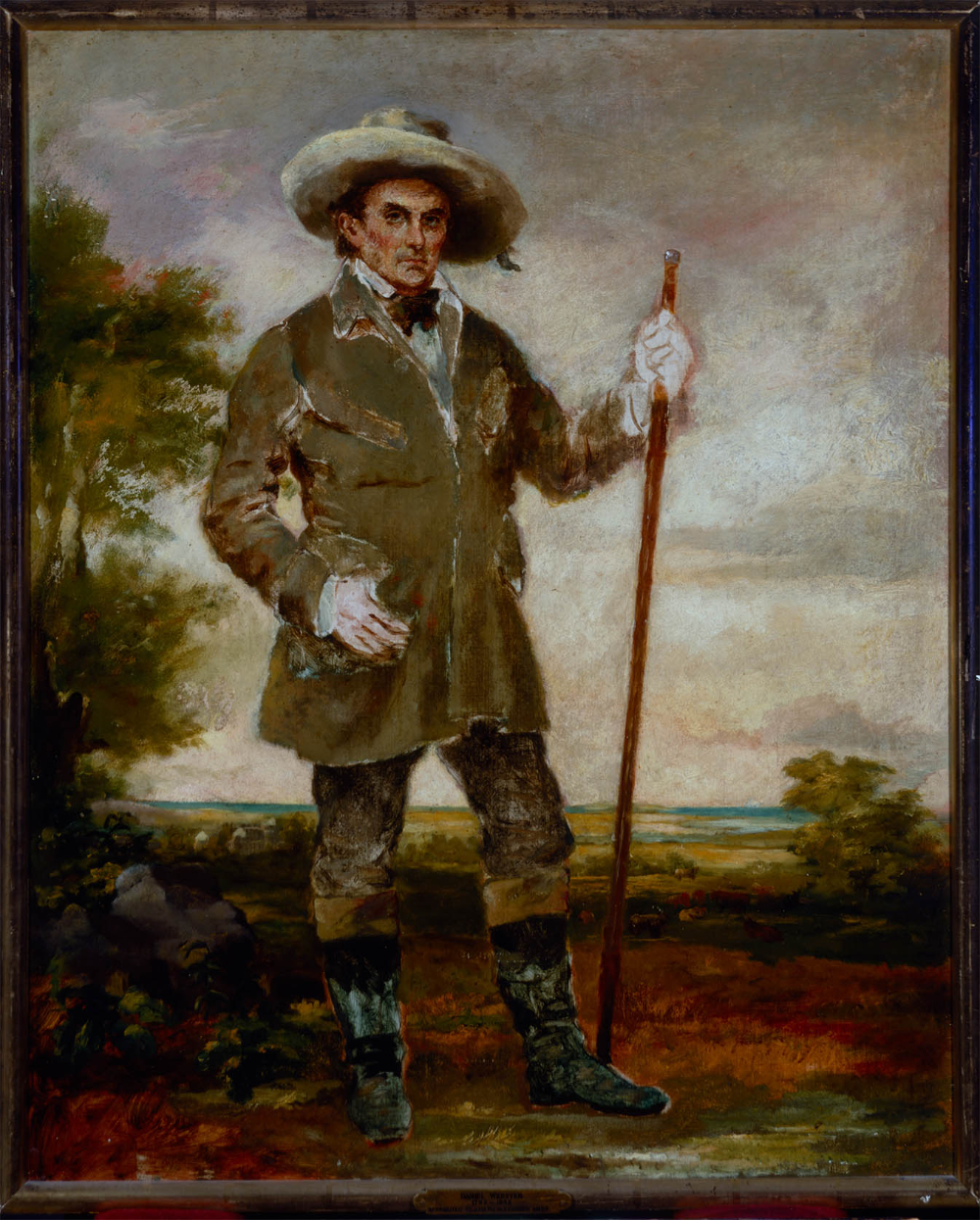
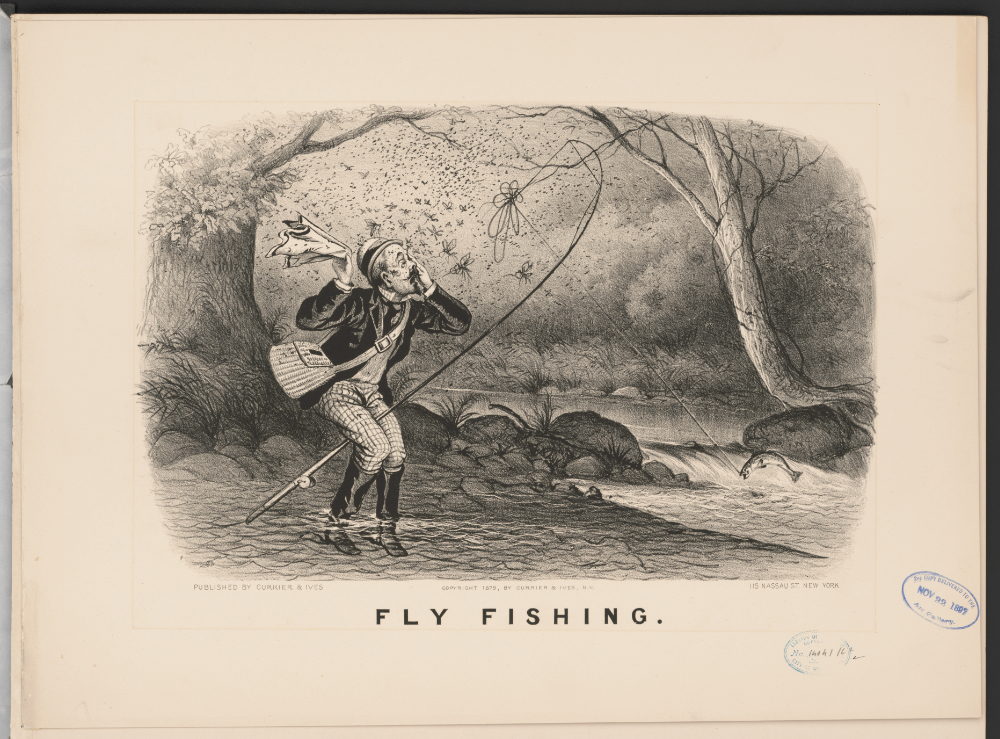
More than a century ago, one of the most famous fishing places for these exquisitely colorful trout was Cape Cod. American Secretary of State and orator Daniel Webster was among the anglers who fished there, as did U. S. Representative Robert Barnwell Roosevelt, President Theodore’s angling uncle.
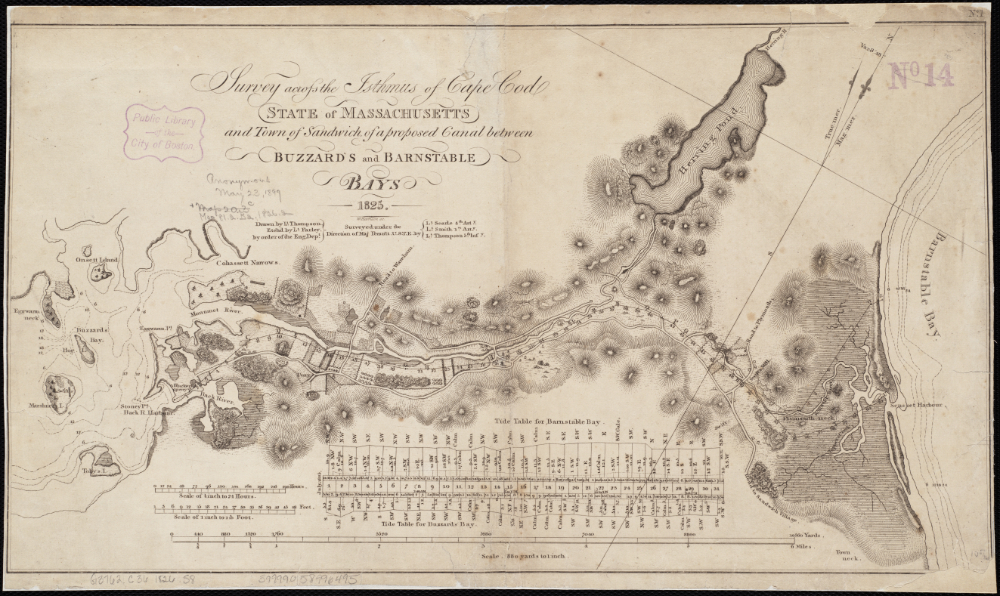
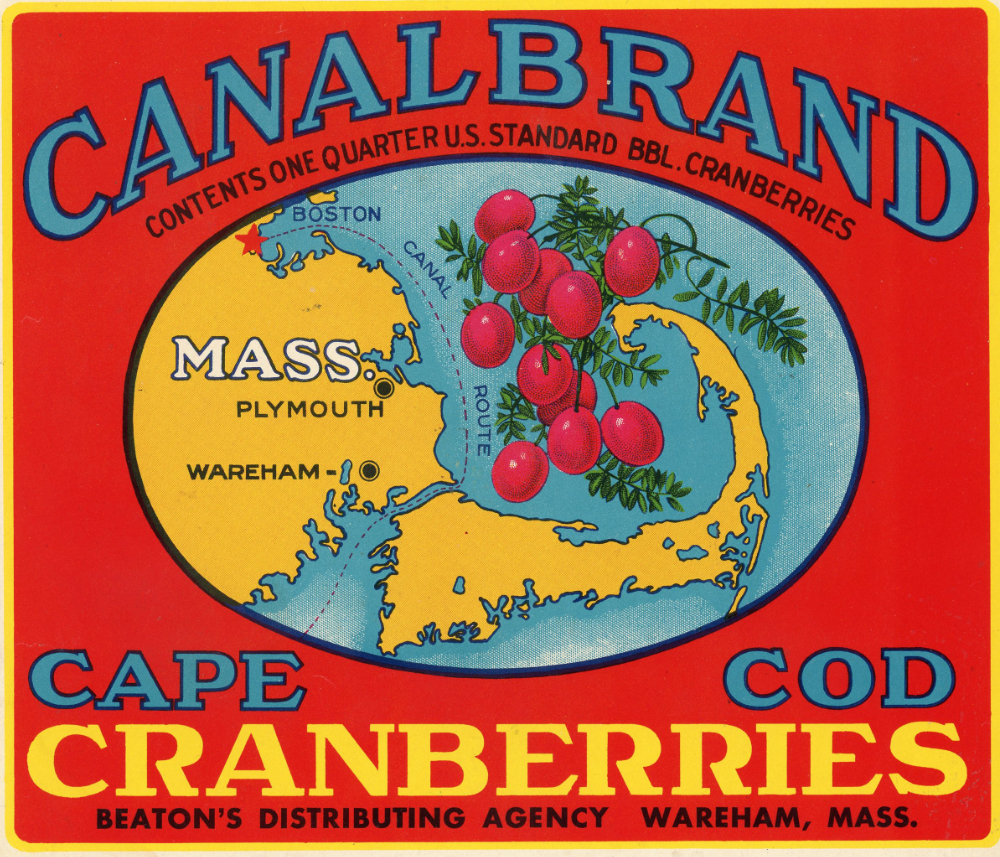
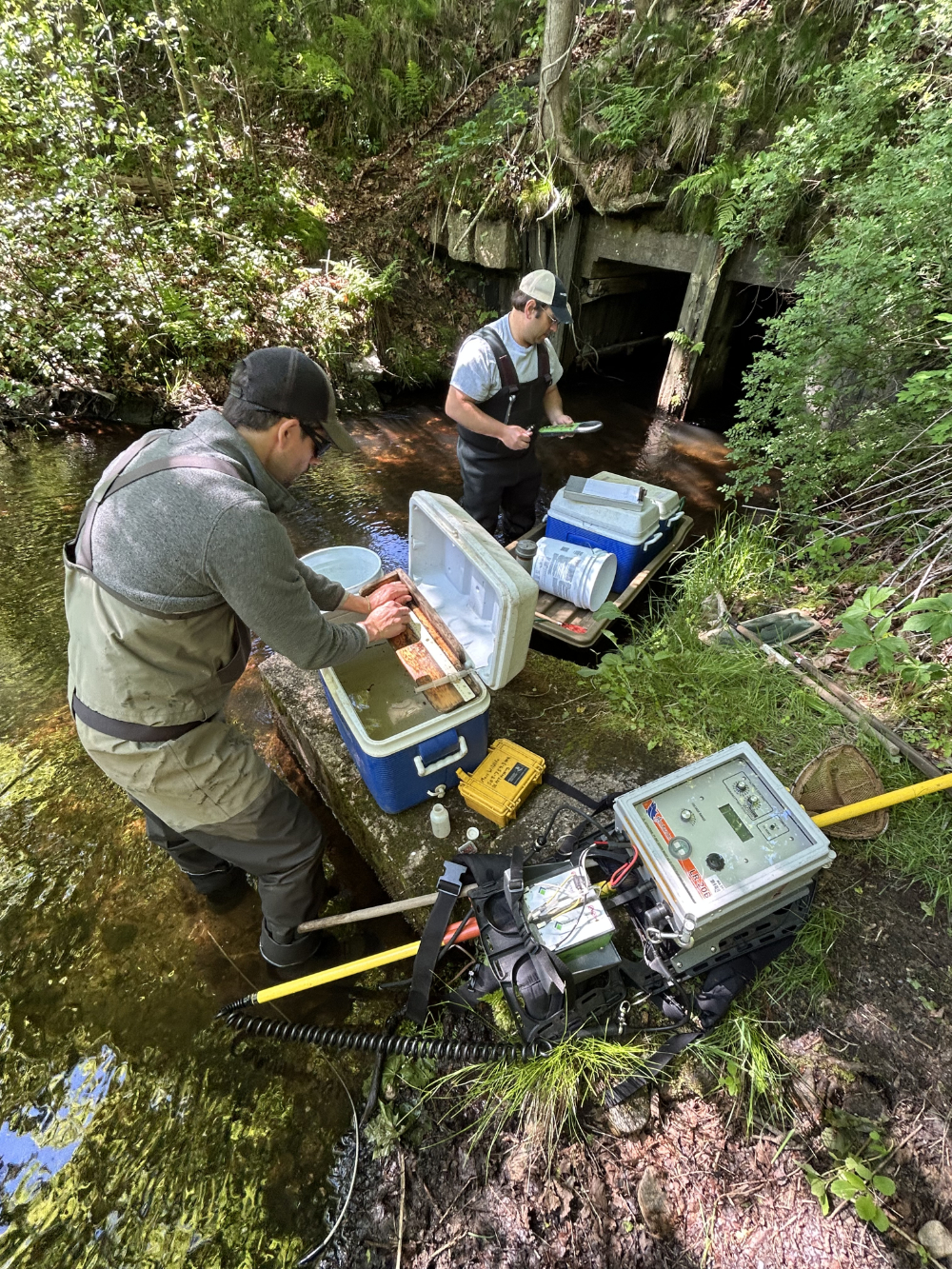
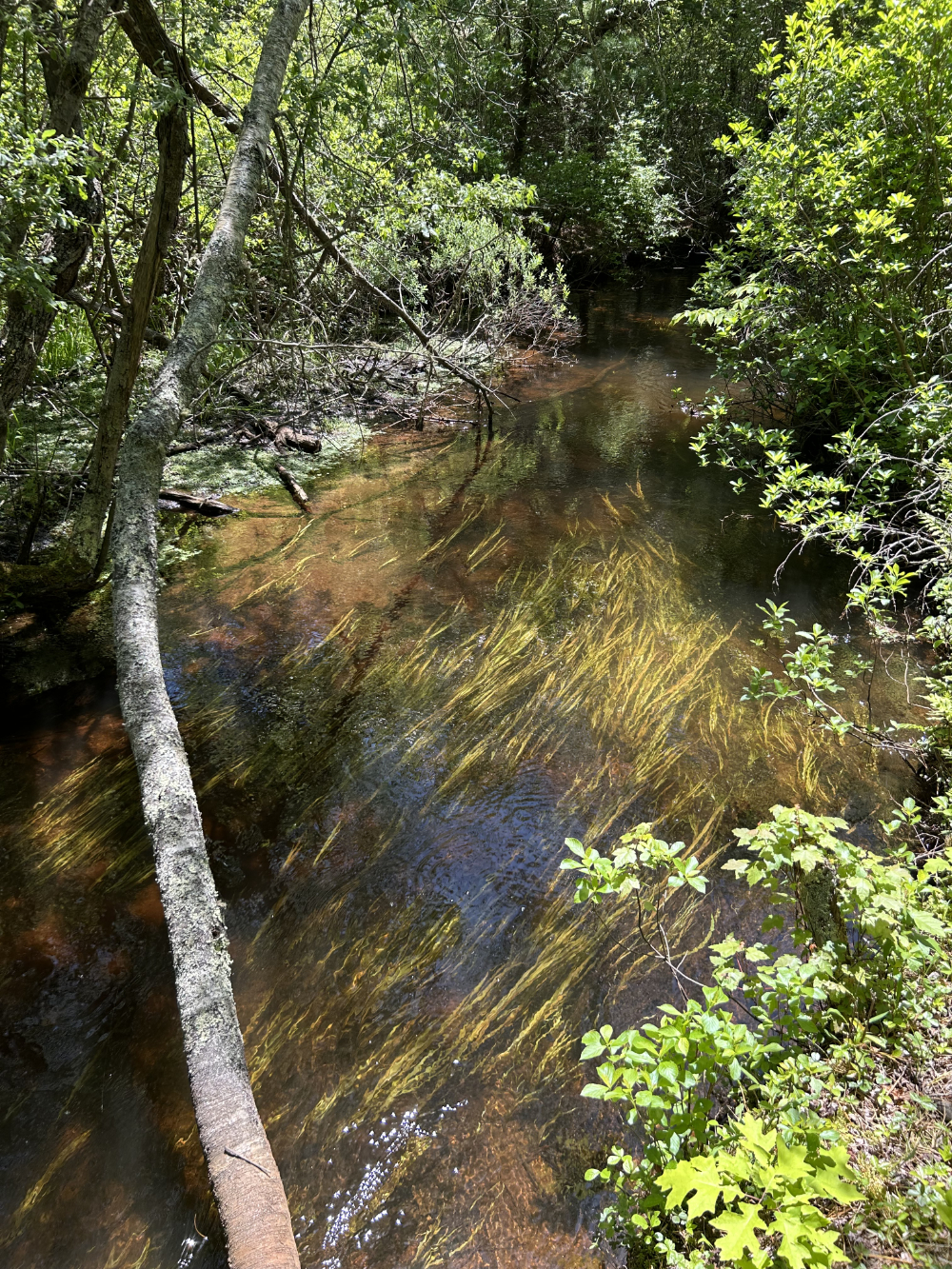
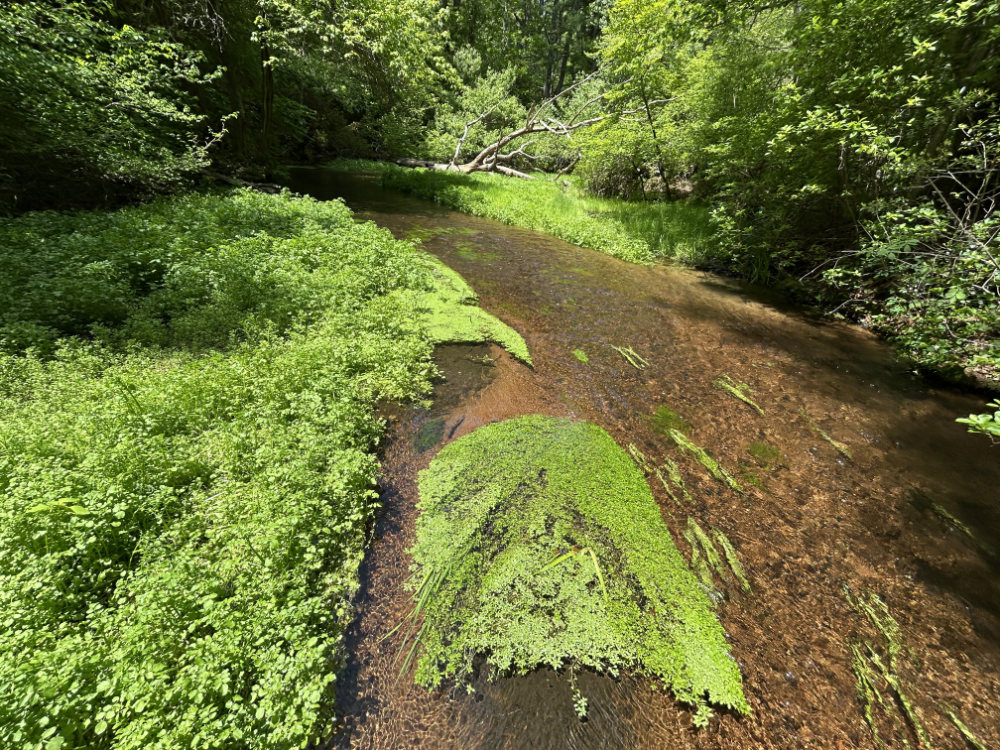
Salter tells the fascinating life history of this elusive species, Salvelinus fontinalis. The narrative draws on decades of scientific research and new interviews with the two knowledgable state fisheries biologists who have explored Massachusetts coastal streams and studied sea-run trout for the last 50 years. Historic photos, artwork and maps are combined with stunning contemporary images of rare salters in their beautiful habitats.
This compelling book also covers the extraordinary human stories of volunteer riverkeepers who have dedicated their lives to the near-impossible task of rescuing these little Cape Cod rivers and restoring their original populations of native trout. With the seemingly endless bad news about assaults on our natural environment, this is a remarkable and heartening story of success. The wild fish—and their precious home rivers—are winning.
INSPIRED DAM BUSTERS
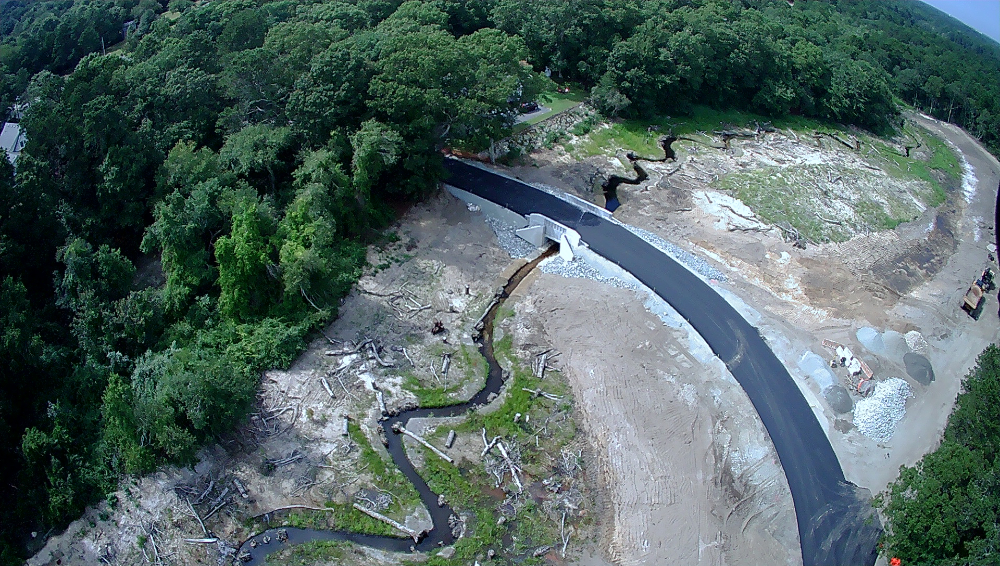
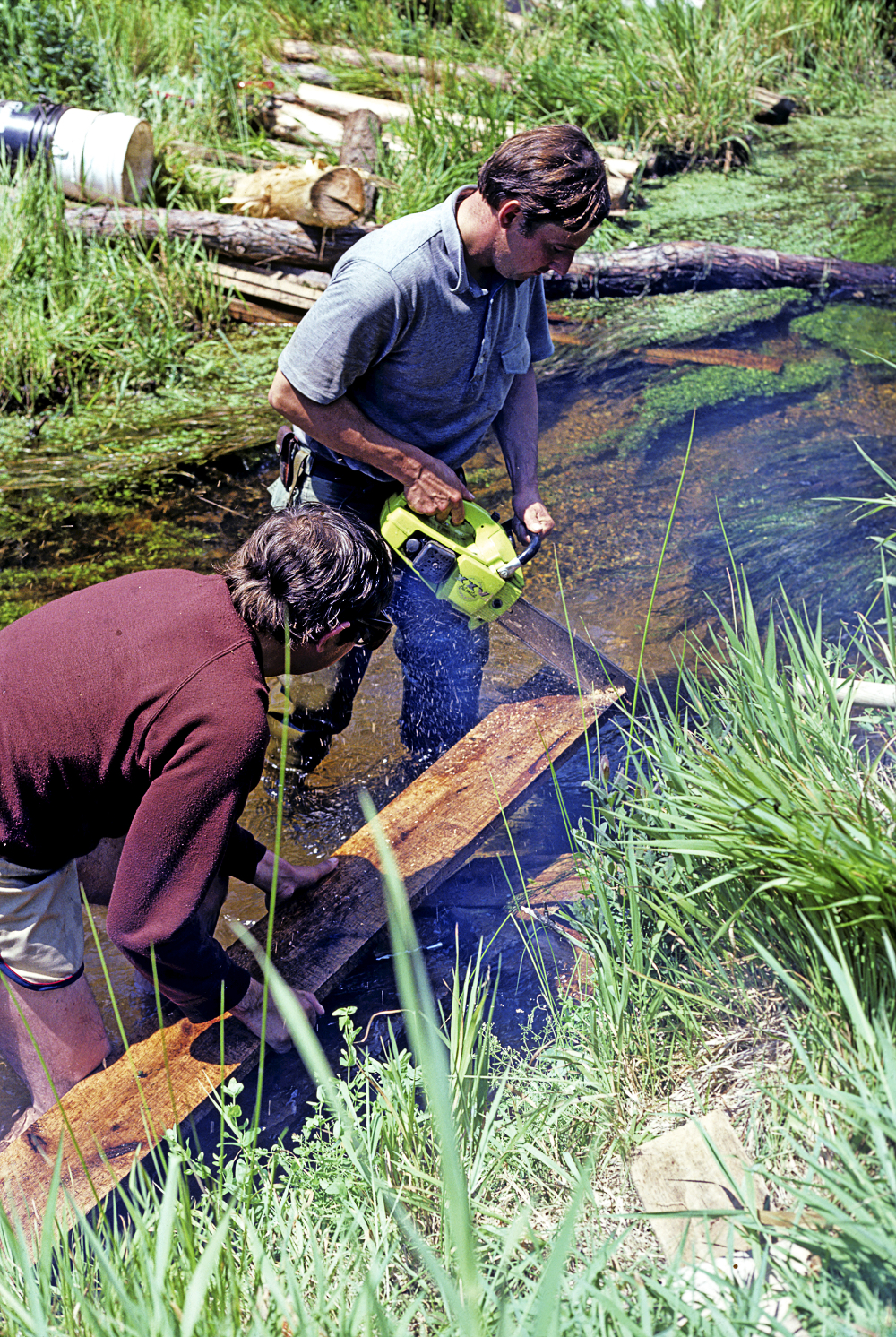
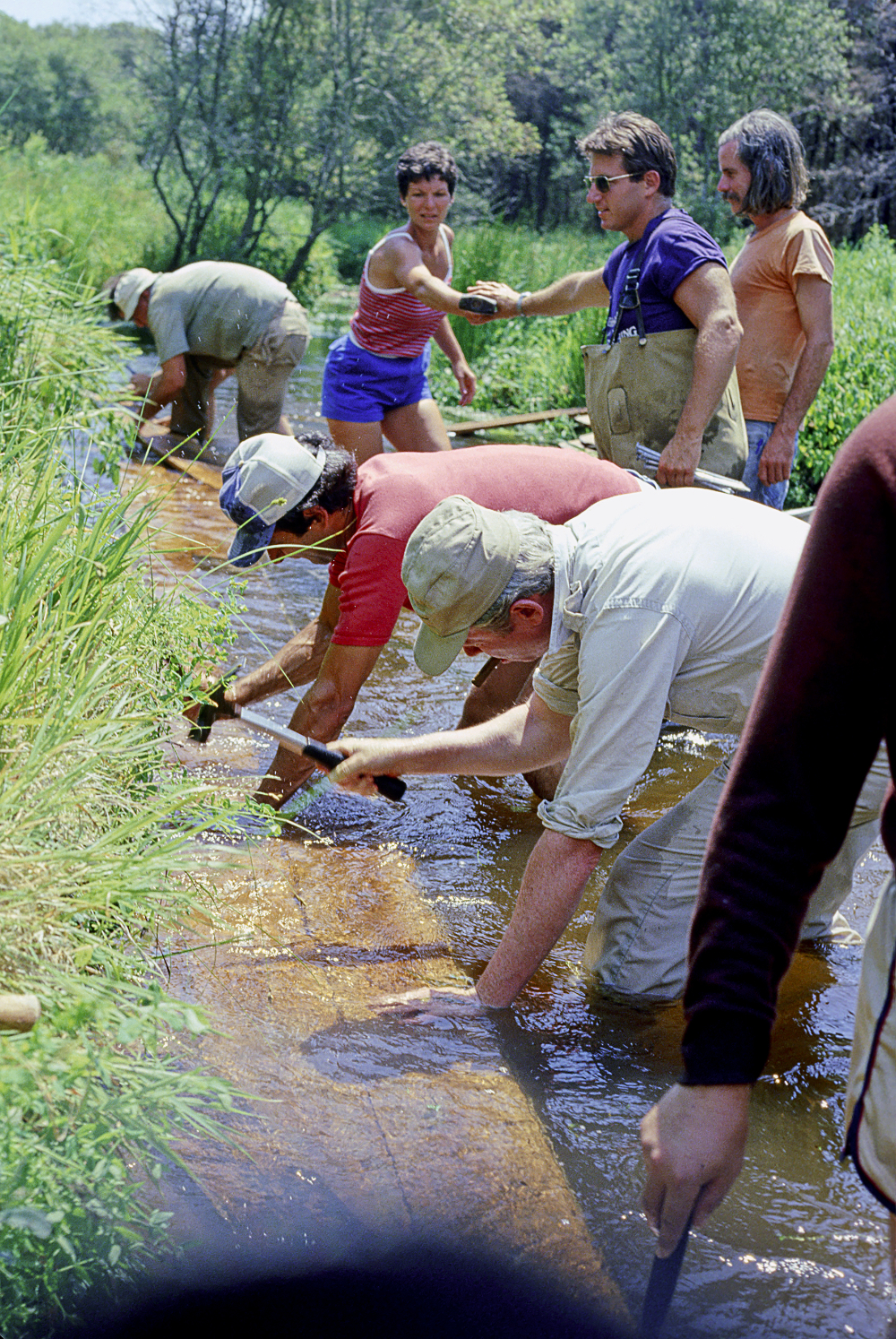
Fifty years before dam removal on California’s Klamath River and Maine’s Penobscot gripped America’s attention, a tiny band of revolutionary dam busters inspired by Edward Abbey’s The Monkey Wrench Gang took pick-axes and sledge hammers to an obsolete dam blocking a little river called Quashnet in Massachusetts.
The year was 1976, our national bicentennial. The grass-roots dam-removal effort was led—like Abbey’s fictional Hayduke—by a real-life Vietnam veteran.
This definitive new book traces the remarkable story of a decades-long environmental revolution on coastal rivers in New England. Old dilapidated dams that no longer serve any practical purpose are being successfully targeted for removal. Cranberry bogs that once turned pristine freshwater streams upside down and filled with destructive pesticides and habitat-wrecking silt are being restored to their original natural, nurturing, wild marshes.
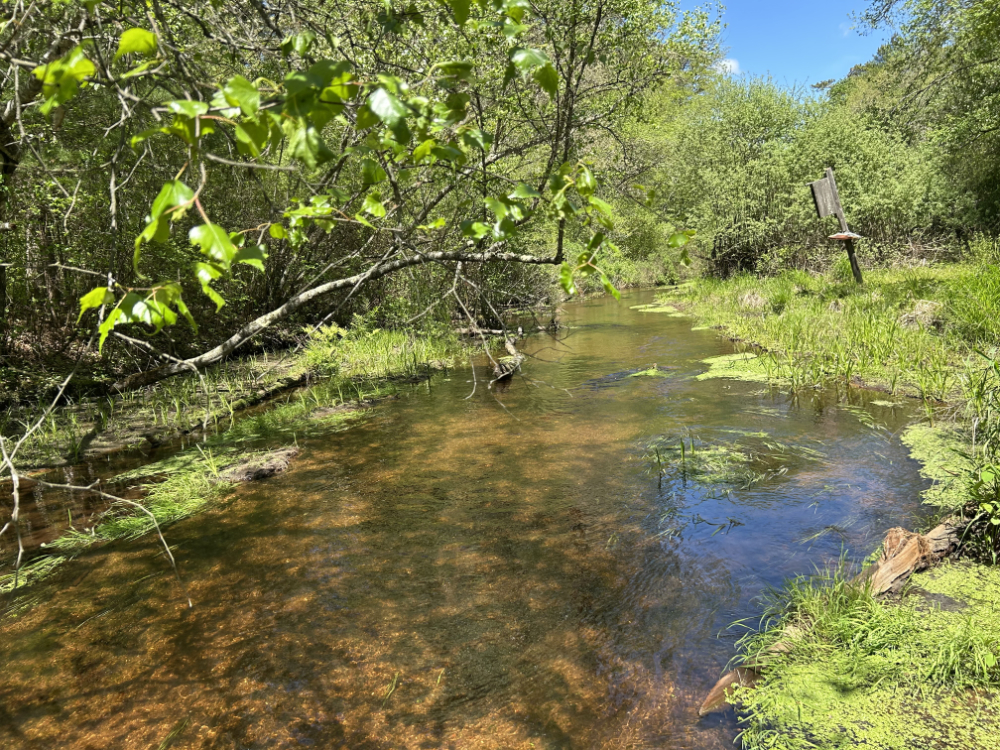
Author Thomas R. Pero starts the chapter about these rivers by quoting Thoreau, who wrote, in 1849: “The streams of the Cape are necessarily formed on a minute scale, since there is no room for them to run, without tumbling immediately into the sea. . . .”
Today, hundreds of millions of federal, state and private dollars are pouring into fuel this dramatic environmental success. At the heart is a small but extraordinary Massachusetts state agency called the Division of Ecological Restoration. It’s a true David-versus-Goliath story. Not too many years ago it would have seemed impossible. Now the aim of biodiversity is driving everything.
OLD CAPE COD
The book’s title, Salter, is an old Cape Cod colloquialism for a colorful native brook trout that migrates from fresh to salt water. The author calls the jewel-like salter an ecological “hood ornament.” Its surprising return, he says, is a living measure of the renewed health of these little coastal rivers. The big ecological benefit are the vast numbers of alewives, blueback herring, shad, smelt and other sea-run species that are flourishing, now free to spawn upstream in their ancient streams. Downstream, their silvery offspring feed wild multitudes, from ospreys to striped bass to great blue herons to bluefish. Revived runs of American eels are also swimming inland from the Atlantic Ocean to grow and mature.
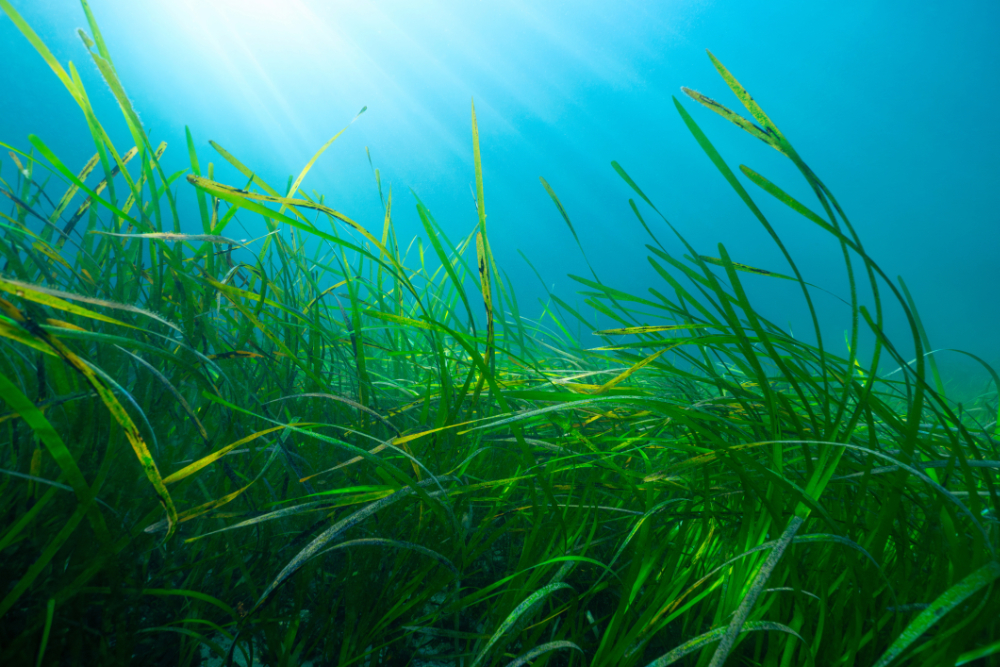
Yet the story is not all about happy endings. Author Pero spotlights the key to saving rivers on Cape Cod: restoration of the eelgrass meadows in the Cape’s shallow estuaries. Preventing this from happening is the ugly threat of nitrogen over-loading of bays from expanding residential sewage—human urine. Septic tanks, writes the author, are “lowered into the porous, quick-leaching soil like coffins.” The nitrogen moves through the Cape’s permeable groundwater aquifer. Explosive growth of algae turns critical tidewater habitat to a rotten, murky, oxygen-deprived mess. Warming seawater from climate change may be the death knell.
ADVANCE PRAISE FOR THE BOOK
Salter is a marvelous work—extremely well written, deeply researched, rich in hope, and filled with fishing dreams—all by someone who was there.
It is truly fortunate that Tom Pero has circled back to the rivers of Cape Cod to tell this story.
I can’t fully express my joy and deep gratitude that he has done this amazing job—and that the remarkable tale of sea-run brook trout restoration will reach a much-welcomed larger audience.
Geoffrey Day
Founder
Sea-Run Brook Trout Coalition
A superb piece of writing!
What a rich ecological tale Tom Pero has spun of the decline and rebirth of the Quashnet River and Red Brook. The fascinating history of the players is artfully woven with an abundance of colorful anecdotes.
The author’s conservation message of habitat protection and wild sea-run fish is both subtle and yet forcefully delivered to the reader’s consciousness with piercing intent.
Salter is a delight to read and a highly worthy endeavor.
Jonathan Olch
Author
A Passion for Permi

Reviews
There are no reviews yet.